India is preparing its workforce for a fast-changing world. Automation, artificial intelligence, and digital transformation are reshaping industries. Traditional degrees alone are no longer enough. Today, skills, adaptability, and continuous learning define long-term career success.
To stay competitive, India is focusing on building a resilient workforce—one that can adjust to change, learn new skills quickly, and remain relevant in evolving job markets.
The Rise of Skill-First Employment
In the past, career success depended heavily on formal education. Now, employers prioritize practical skills and industry readiness. This shift has encouraged the government to launch large-scale skill development programs.
Initiatives like Skill India and the Pradhan Mantri Kaushal Vikas Yojana (PMKVY) aim to train millions of young people. These government skill mission programs focus on real-world training aligned with industry demand. By offering certifications and hands-on learning, they improve access to government skill jobs and private-sector opportunities.
This skill-first approach reduces the gap between education and employment.
Education Reform for Long-Term Resilience
The National Education Policy (NEP) 2020 has introduced major reforms to strengthen employability. It promotes vocational learning, internships, flexibility in subject choices, and multidisciplinary education.
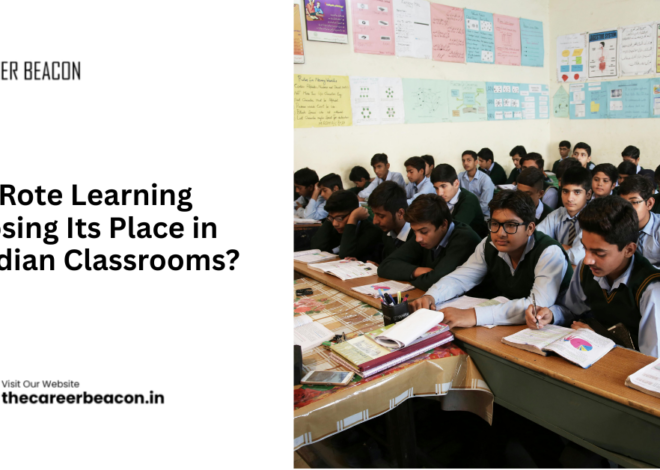
Students are now encouraged to explore practical exposure early. This helps them make informed career decisions and develop job-ready capabilities before graduation.
By blending academics with applied skills, India is creating a more adaptable and confident workforce.
Digital India and Online Upskilling
Technology plays a central role in workforce resilience. Through the Digital India initiative, access to online learning and remote work has expanded across the country.
Today, professionals in Tier 2 and Tier 3 cities can access global job opportunities. Online certification courses, digital training platforms, and virtual internships have made upskilling easier than ever.
Continuous learning is no longer optional—it is essential. Workers who upgrade their digital and technical skills regularly are better prepared for future disruptions.
Encouraging Entrepreneurship and Innovation
A resilient workforce is not only job-ready but also capable of creating jobs. Programs like Startup India and Atmanirbhar Bharat encourage entrepreneurship and innovation.
By supporting startups and MSMEs, India is promoting economic independence. Young professionals are increasingly choosing entrepreneurship, freelancing, and self-employment as viable career paths.
This mindset shift strengthens economic stability and reduces dependence on traditional employment models.
Soft Skills Matter More Than Ever
Technical knowledge alone is not enough. Employers now value communication, problem-solving, teamwork, and emotional intelligence.
Many government skill mission programs include soft skills training to prepare candidates for real workplace challenges. Adaptability, resilience, and leadership are becoming key career differentiators.
The Road Ahead
India still faces challenges such as skill gaps, automation risks, and unequal access to training. However, the combined impact of education reform, digital growth, and government skill jobs initiatives shows a clear direction.
India is building a workforce that is skilled, flexible, and future-ready.
Conclusion
Building a resilient workforce is not a short-term effort—it is a long-term national strategy. Through government skill missions, education reforms, digital expansion, and entrepreneurship support, India is preparing its youth for tomorrow’s opportunities.
In this new workforce equation, success depends on two things: skills and adaptability. Those who embrace continuous learning will not only survive change—they will lead it.