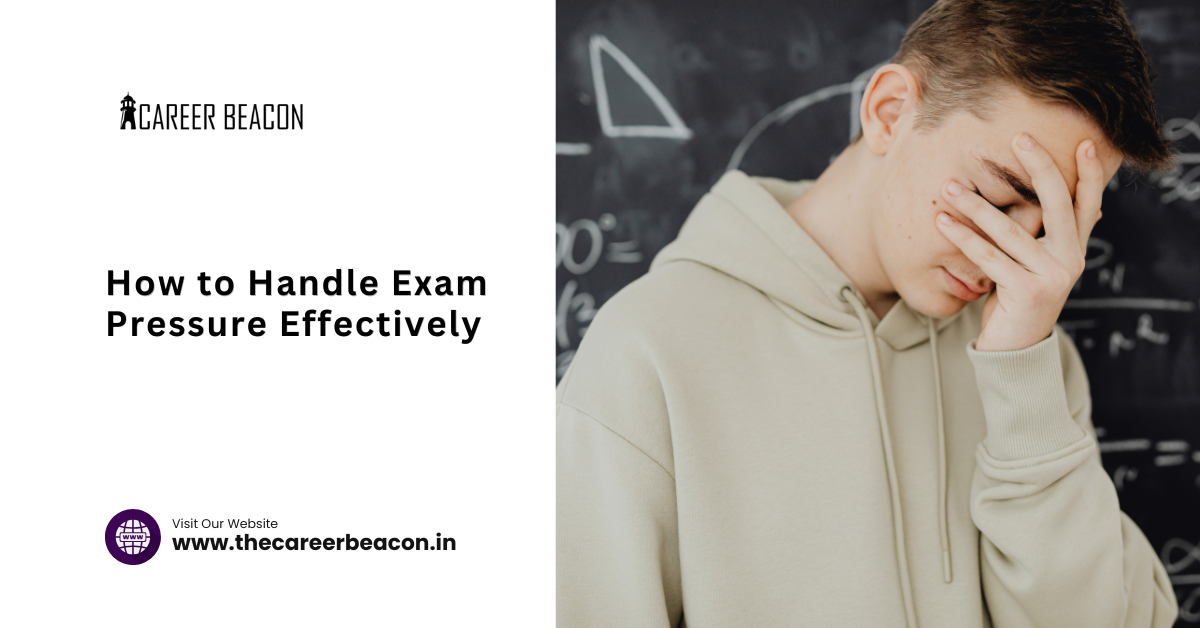
College exams play an essential role in the academic journey of each student; however, they create significant amounts of stress for most, due to the high levels of anxiety and fear they instill in the students. In today’s increasingly competitive world, many students face pressures associated with exams and often find it hard to cope with the amount of pressure coming from parents, teachers, and themselves.
If not dealt with correctly, the pressure can negatively impact a student’s performance, confidence, and well-being. Fortunately, there is a way to help prevent negative effects of exam pressure, and some simple changes can lead to a student being able to handle the pressure of exams effectively and perform at their optimum level.
What is Exam Pressure?
Exam pressure is the stress or anxiety students feel before or during exams. It usually comes from the fear of failure, high expectations, lack of preparation, or comparison with others.
In 2026, with increasing competition and academic demands, exam pressure among students has become more common than ever. Understanding this pressure is the first step toward managing it.
Why Do Students Feel Exam Pressure?
There are several reasons why students experience exam pressure. The most common cause is the fear of not performing well. Many students also feel stressed due to unrealistic expectations and constant comparison with peers.
Another major factor is poor time management and last-minute preparation. When students are not well-prepared, their confidence drops, which increases anxiety.
How to Handle Exam Pressure Effectively
Dealing with exam stress is not about eliminating it; it is about managing it. The students who cope well with pressure are usually more attentive, self-assured and successful than those who do not.
One method that may assist in reducing exam stress is planning. If students prepare by setting up a study schedule in advance they will have more authority over their own work and feel more calmly in control. The better a student prepares, the more naturally they will be.
Having frequent interruptions while studying is also another useful method for decreasing exam stress. Studying for hours and hours will drain the body and escalate the amount of stress on the student. Breaks will rejuvenate the mind and provide a better atmosphere for the focus of study.
Following a healthy lifestyle will also aid in reducing stress levels. Enough sleep, balanced nutrition and an exercise program will help lower the amount of overall body stress and have a positive impact on concentration levels.
Importance of a Positive Mindset
A positive mindset is one of the most powerful tools to deal with exam pressure. Students should avoid negative thinking like “I will fail” or “I am not good enough.”
Instead, focusing on preparation, self-belief, and progress can boost confidence. Practicing relaxation techniques like deep breathing or meditation can also help calm the mind before exams.
What Students Should Avoid During Exams
While studying for an exam, do not compare your progress relative to others as this creates unneeded anxiety. It is common to prepare at the last minute or overanalyze your performance and create panic and confusion.
Using social media too much or being distracted reduces your ability to be productive, increasing stress in the process. Maintaining your individual goals in study preparation keeps you calm and confident while completing an exam.
Conclusion
Exam stress is one of the many hurdles many students face, but it can be handled appropriately through the use of various approaches. The main keys to successfully managing your exam stress are preparation, managing how you use your time, and adopting a positive mindset.
At thecareerbeacon, our mission is to provide students with the support they need, both academically and mentally; to empower them to be able to handle the challenges associated with exam stress with confidence.
FAQs
1. What is exam pressure and why do students feel it?
Exam pressure is the stress or anxiety students experience before or during exams. It usually happens due to fear of failure, high expectations, lack of preparation, or comparison with others. In today’s competitive environment, exam pressure has become very common among students.
2. How can I reduce exam pressure quickly?
Some quick ways to relieve some of the pressure from exams can be deep breathing, taking breaks throughout the day, and not overthinking things that may result in anxiety or fear. Reviewing key concepts as opposed to trying to learn new ones the day before your exam may also increase your calmness and confidence before the exam.
3. Is exam pressure normal for students?
Yes, exam pressure is completely normal. Almost every student experiences some level of stress before exams. The key is to manage exam pressure effectively so that it does not affect performance.
4. How does exam pressure affect performance?
Too much exam pressure can reduce concentration, increase anxiety, and lead to poor performance. However, a small amount of pressure can actually motivate students to study better and stay focused.
5. What are the best ways to handle exam pressure effectively?
Proper time management, regular reviews, a healthy routine and staying positive are all good strategies to reduce exam pressure. It’s also very important to be prepared in advance so you don’t experience last-minute stress.