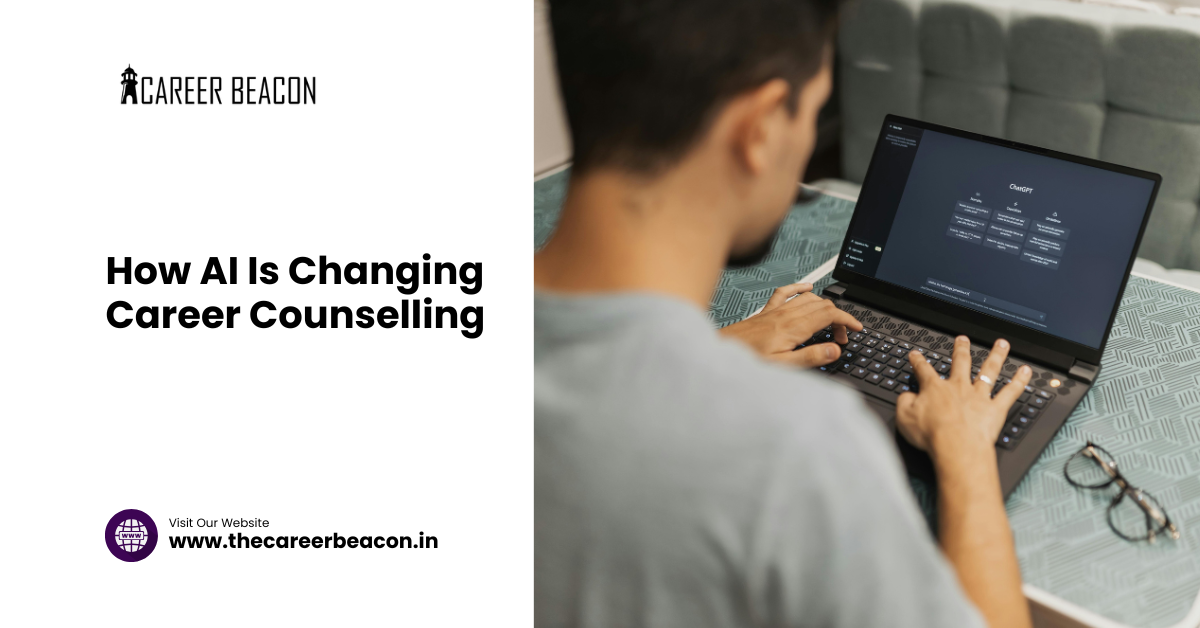
AI is changing many parts of today’s world including how we find jobs. Career counselling has been done in similar ways for years, using ways that usually included tests of how good you will be at different types of jobs, time with a counsellor, and recommendations for what types of jobs would be good for you. Although these types of methods will continue to have their place, AI is taking these methods to a new level of personalization, accuracy, and access.
AI can help students discover jobs based on skills, interests, works done in school, and possibilities of jobs based on what this country needs for jobs. Career counselling is now becoming very much based on data rather than subjective opinions and is becoming very student-focused. This shift will allow students to make educated decisions regarding their education and their job/career development.
The Evolution of Career Counselling
Career counselling has generally relied upon professional experience to assess potential careers, using standardized assessments to evaluate students based upon their interests, school performance, and future career objectives. While this method has had some success in helping individuals find their way into the workforce, it has often failed to keep pace with the rapid changes occurring in today’s job market.
Artificial Intelligence (AI) has changed the way people think about career counselling. AI can analyze extensive amounts of data in seconds and identify trends and correlations in data that may be virtually impossible for humans to identify. As a result, students will now be able to obtain career counselling that is much more individualized and consistent with what employers are hiring for.
This transition will make the process of planning for one’s career the most effective and accessible it has ever been.
How AI Is Improving Career Guidance
AI offers students a very unique and customized approach to their career advice because it will not only provide them with general career guidance or advice; rather, it will use many different criteria for analysis in order to find the the best fit of potential careers for them.
This kind of AI systems take into consideration all of a student’s past and present performance in school, work abilities, interests and personality, as well as current and anticipated job market conditions, in order to generate recommendations that will not only highlight a student’s strengths but also create avenues for potential future success.
Thus, with this kind of personalized career advice, a student is oftentimes introduced to a potential career path that he/she would have never before thought of as being an option for himself/herself.
AI Helps Students Understand Emerging Careers
The employment landscape is evolving at a rapid pace. There are numerous new positions being created across a variety of industries, including Artificial Intelligence, Cybersecurity, Data Science, Cloud Computing, and Automation.
Because conventional career resources tend to focus on existing occupations, many students do not know about these rapidly growing fields and the new job opportunities within them. By utilizing career platforms powered by Artificial Intelligence (AI), students can easily identify industries that are expected to continue growing, along with recommendations for potential employment opportunities based on future demand.
By doing so, students are provided with the information they need to prepare themselves for careers that will exist in the next decade, as opposed to relying solely on existing career options.
Better Access to Career Information
Students often struggle to find accurate information about careers, salaries, qualifications, and industry requirements. AI-powered platforms make this process much easier.
These systems can provide real-time insights about:
- Career growth prospects
- Required skills
- Educational pathways
- Salary expectations
- Industry trends
As a result, students can make informed decisions without spending hours searching through multiple sources.
AI Is Making Career Counselling More Accessible
Traditional career counselling can be expensive or unavailable in some regions. Many students do not have access to experienced career advisors.
AI is helping bridge this gap. Online career guidance platforms are now available to students regardless of their location. These tools provide instant support and recommendations, making career counselling more accessible to a larger audience.
This increased accessibility is particularly beneficial for students in remote areas where professional guidance may be limited.
Identifying Skills Gaps Through AI
One of the most valuable features of AI-based career counselling is skills gap analysis.
AI systems can compare a student’s current abilities with the requirements of their desired career path. If a gap exists, the platform can recommend courses, certifications, and training programs to help the student improve.
For example, a student interested in becoming a data analyst may discover they need stronger skills in data visualization or programming. AI can then suggest learning resources that address those specific needs.
This targeted guidance helps students prepare more effectively for future careers.
The Role of AI in Career Assessments
Career assessments have become more sophisticated with the introduction of AI.
Traditional aptitude tests often provide broad recommendations. In contrast, AI-powered assessments analyze a wider range of factors and generate more detailed insights.
These assessments can evaluate:
- Interests
- Strengths
- Learning styles
- Personality traits
- Career preferences
The result is a more comprehensive understanding of a student’s potential career options.
AI and Predictive Career Planning
One of the most exciting developments in career counselling is predictive analytics.
AI can analyze labor market data and identify future employment trends. This allows students to understand which industries are growing and which skills are likely to remain valuable.
Instead of focusing only on current opportunities, students can plan for long-term success.
Predictive career planning is becoming increasingly important as technology continues to reshape the global workforce.
Why Human Career Counsellors Still Matter
Despite its advantages, AI cannot completely replace human career counsellors.
Career decisions often involve emotions, personal circumstances, family expectations, and individual aspirations. These factors require empathy and understanding that technology cannot fully replicate.
Human counsellors provide motivation, emotional support, and personalized discussions that remain essential for effective career guidance.
The most effective approach combines AI-powered insights with human expertise.
Challenges of AI in Career Counselling
Although AI offers many benefits, there are also challenges to consider.
The accuracy of recommendations depends on the quality of data used by the system. Inaccurate or outdated information can affect career suggestions.
Privacy is another important concern. Students must ensure that their personal information is handled securely when using AI-based platforms.
In addition, students should view AI recommendations as guidance rather than absolute answers. Career decisions should involve careful consideration and professional advice when needed.
The Future of Career Counselling
The future of career counselling is likely to involve even greater integration of Artificial Intelligence.
As AI systems become more advanced, they will provide deeper insights into skills development, career planning, and workforce trends. Students may receive highly personalized learning pathways based on their goals and abilities.
Universities, schools, and career development organizations are already exploring new ways to use AI to support student success.
This trend is expected to continue as technology becomes a larger part of education and workforce planning.
Conclusion
Artificial Intelligence is revolutionizing the way students explore and plan their careers. By providing personalized recommendations, identifying skills gaps, analyzing industry trends, and improving access to guidance, AI is making career counselling more effective than ever before.
However, technology works best when combined with human expertise. While AI can provide valuable insights, career counsellors continue to play a critical role in helping students make confident and informed decisions.
As the job market evolves, AI-driven career counselling will become an increasingly important tool for students seeking success in a rapidly changing world.
FAQs
1. What is AI career counselling?
AI career counselling uses Artificial Intelligence to analyze skills, interests, and career goals to provide personalized career recommendations.
2. Can AI replace career counsellors?
No. AI can improve career guidance, but human counsellors remain important for emotional support, mentorship, and personalized advice.
3. How does AI help students choose careers?
AI evaluates academic performance, interests, skills, and industry trends to suggest suitable career paths.
4. Is AI career counselling accurate?
AI can provide useful recommendations, but results depend on the quality of data and should be combined with human guidance.
5. Why is AI important in career counselling?
AI improves personalization, accessibility, and career planning by helping students understand future job opportunities and required skills.

 RRB NTPC Undergraduate Recruitment 2026: 1,688 Vacancies, Eligibility and Last DateOctober 19, 2026
 National Scholarship Portal 2026-27: Scholarships Students Should Not Miss Before October 31October 11, 2026
 NEET 2027 May Go Online: What Students Should Know About the Possible CBT FormatOctober 6, 2026
 UPSC ESE 2027: Only Days Left to Apply – Don’t Miss the October 6 DeadlineOctober 2, 2026